Compare Every Singapore Credit Card by Value
All 17 miles and 19 cashback cards in one ranked list — each converted to a S$-equivalent value at your spending. Set what a mile is worth to you and re-rank instantly. Last updated 1 Oct 2026
lockThese numbers stay in your browser — nothing is saved.
Miles cards are ranked by projected miles × this value. Cashback is always face value.
Preset values are derived from the SGfi Miles Value Index — the same Saver-award and cash-fare data used across the site. Adjust to match how you redeem.
Ranked by projected gross S$-equivalent value at your spend and chosen mile value. Cashback counts at face value; miles are valued at the cents-per-mile you set. Ties broken alphabetically by issuer. Cards marked “Affiliate” earn SGfi a referral commission if you apply through these links — this does not influence the ranking.
mpd figures are SGfi’s conversion of each bank’s published reward-points rate into KrisFlyer miles.


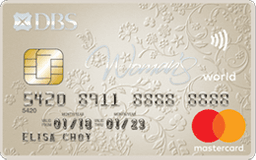
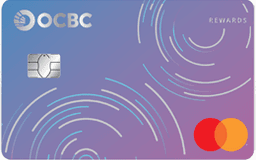
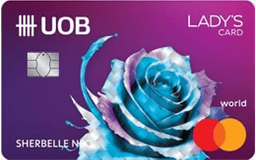
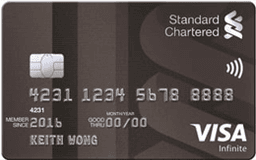
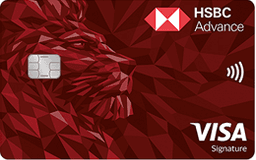
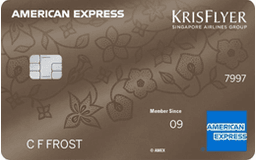
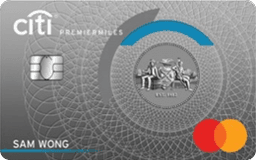
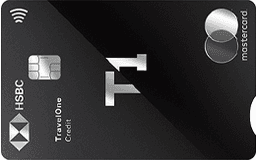
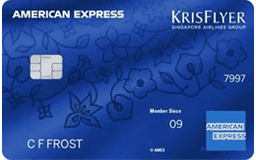
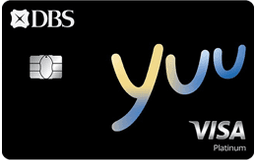
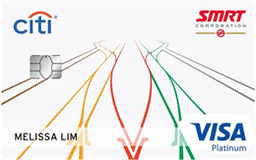
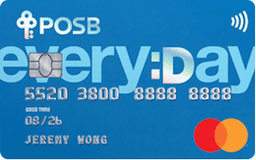
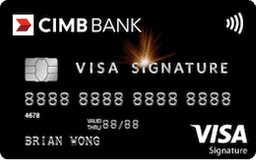
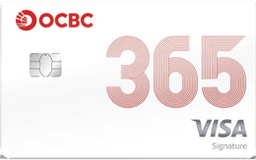


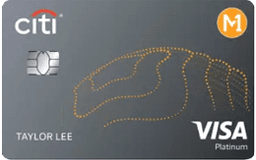
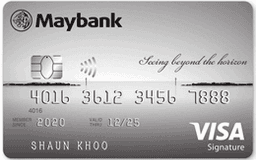
Ranked by projected gross S$-equivalent value at your spend and chosen mile value. Ties broken alphabetically by issuer. Cards marked “Affiliate” earn SGfi a referral commission if you apply through these links — this does not influence the ranking.
Figures are estimates based on the spending you entered, assumed steady across the year, using standard Merchant Category Code (MCC) classifications and each issuer’s published rates. Monthly caps, annual fees and minimum-spend requirements are shown on every row and factored into the projections. Not modelled: promotional sign-up bonuses, merchant-specific exclusions, fee waivers beyond the first-year window shown, and future rate changes by issuers. First-year figures assume a new cardholder eligible for introductory rates; ongoing figures reflect post-introductory rates. Standard merchant coverage estimates are based on Singapore market share; you can adjust them in the settings above.
Actual earnings depend on your eligibility and each bank’s current terms, which may differ from the figures shown here — always verify with the issuer before applying.
How Singapore credit cards earn
Singapore credit cards split into two reward categories. Miles cards earn airline miles, typically KrisFlyer, that are redeemed for award flights and upgrades - rates range from a uniform 1 mpd on every dollar to 4 mpd on capped specialist categories like online shopping. Cashback cards return a percentage of spend as a statement credit - rates range from a flat 1.5% on every dollar to 10% on capped specialist categories like transport, dining, or groceries. In our calculations both categories use the same eight everyday spend buckets (dining, groceries, shopping & online, transport, foreign currency, petrol, travel, and other/miscellaneous). The right card depends on your monthly spend mix, your tolerance for tracking category caps, and whether airline miles or cash value is more useful to you. SGfi tracks 17 miles cards and 19 cashback cards from every major Singapore bank, with projection calculators built on each issuer's published rates, caps, and minimum-spend thresholds.
Browse cards by category
Jump to a focused ranking for a single spend category or filter — each ranks the qualifying cards by the cashback or miles you would earn on your own spending.
Which fuel card earns the most on your petrol spend.
View rankingWhich card earns the most on your restaurant spend.
View rankingWhich card earns the most on your supermarket spend.
View rankingPermanent S$0-fee cards, ranked by what you would earn.
View rankingEvery current welcome offer (cash, vouchers, miles and gifts) with each card’s minimum spend and deadline.
See all offersBrowse cards by bank
See every card from one issuer in a single ranked list — miles and cashback together, scored by the value you would earn on your own spending.
Compare cards head-to-head
Each pairing below runs both cards through the same earning calculation on your own spending, so you can weigh two specific options side by side.
- UOB One Credit Card vs OCBC 365 Credit Card
- OCBC 365 Credit Card vs Citi Cash Back Card
- Standard Chartered Simply Cash Credit Card vs Citi Cash Back+ Card
- Citi PremierMiles Card vs DBS Altitude Visa Signature Card
- Standard Chartered Journey Credit Card vs DBS Altitude Visa Signature Card
- Standard Chartered Journey Credit Card vs Citi PremierMiles Card
- HSBC Revolution Credit Card vs DBS Woman's World Card
- UOB PRVI Miles Card vs Citi PremierMiles Card
- DBS Altitude Visa Signature Card vs UOB PRVI Miles Card
- Standard Chartered Journey Credit Card vs HSBC Revolution Credit Card
- UOB One Credit Card vs Citi Cash Back Card
- UOB Lady's Card vs DBS Woman's World Card
- KrisFlyer UOB Credit Card vs American Express Singapore Airlines KrisFlyer Ascend Credit Card
- HSBC Revolution Credit Card vs Citi Rewards Card
- DBS Altitude Visa Signature Card vs OCBC 90°N Card
- Citi Cash Back+ Card vs UOB Absolute Cashback Card
Cashback vs miles, in plain terms
The two categories use the same underlying spend mix but pay out differently. This table compares them on five axes that matter when picking a category.
| Axis | Miles cards | Cashback cards |
|---|---|---|
| How the reward is paid | Airline miles credited to KrisFlyer (direct) or to a flexible reward program that transfers to KrisFlyer / Asia Miles / other partners. | Statement credit applied to your card balance each month. No conversion step. |
| How the reward is valued | Variable — depends on the redemption. KrisFlyer Saver Awards typically convert at roughly 1.5–2.5 SG cents per mile on mid-haul Asia routes, premium-cabin redemptions can push higher. Use our Miles Calculator to project the value of your miles. | Fixed at face value. S$10 cashback always equals S$10 off your bill. |
| Where they typically earn the most | Foreign currency, travel bookings, online shopping. Specialist cards reach 4 mpd capped, while base rates sit between 1.2–1.4 mpd uncapped. | Dining, groceries, transport, online shopping, petrol. Specialist tiered cards reach 8–10% on bonus categories, with flat-rate cards earning 1.5–1.7% uncapped. |
| Caps and minimum spend | Most cards don't have caps and minimum spend requirements. Some cards require a tier threshold (e.g. S$800/mo) to unlock bonus rates. | Bonus categories typically capped at S$60–S$200 cashback/month. Most cards require a monthly minimum spend (often S$600–S$2,000) to earn at the published rates. |
| When this category typically fits | Frequent flyers, premium-cabin aspirants, users with significant foreign-currency or travel spend, or anyone willing to accumulate balances for a future redemption. | Users who prefer immediate, predictable value, want to offset everyday spend without tracking redemptions, or whose spend leans on dining / groceries / transport. |
Frequently asked questions
What is the difference between a miles card and a cashback card?expand_more
A miles card earns airline miles redeemable for award flights and upgrades — the value of each mile depends on how you redeem it. A cashback card returns a percentage of spend as a statement credit at face value. This page compares both types in one ranked list by converting every card to a single dollar value at your spending: cashback counts at face value, while miles are valued at the cents-per-mile figure you choose. Dedicated miles-only and cashback-only pages are still available when you want a category-specific view.
Which card type should I pick?expand_more
There is no single answer. If you spend regularly on foreign currency, online travel bookings, or aspire to premium-cabin flights, miles cards typically produce higher value at the same spend. If you prefer immediate, predictable value with no redemption admin, cashback cards typically fit better. Use both calculators to project the actual numbers at your spending profile — SGfi does not recommend a category.
How does SGfi calculate projected miles or cashback?expand_more
For each card, the calculator routes your monthly spend per category against the card's published per-category rate, applies per-rule and total-monthly caps, applies any minimum-spend or tier-threshold rules, then multiplies the monthly result by 12 for the annual projection. The methodology page below this section lists every assumption.
Are the rates on SGfi guaranteed?expand_more
No. Banks update miles-per-dollar rates, cashback rates, category caps, and minimum-spend thresholds regularly. The numbers shown reflect rates verified at the "Rates as of" date stamp on each page. Always confirm current terms with the issuing bank before applying.
Can I combine a miles card and a cashback card?expand_more
Yes. Many Singapore cardholders run a 2-card or 3-card portfolio: one specialist card per high-volume bonus category, with a flat-rate card as the catch-all. The miles comparison page includes a "Multi-Card Approach" tool that suggests a 3-card combination at your spending profile.
Do these cards have annual fees?expand_more
Most do. Annual fees range from S$0 (HSBC Revolution, ad-hoc free cards) to S$599.50 (SC Visa Infinite). Many cards offer a first-year fee waiver, some waive the fee for cardholders who hit a minimum annual spend. Every card detail page shows the fee, waiver conditions, and net annual value after fee.
What is the minimum income to apply?expand_more
Most Singapore credit cards require a minimum annual income of S$30,000 for Singaporeans/PRs and S$40,000–S$60,000 for foreigners. Premium tiers (e.g. SC Visa Infinite) require S$80,000+. Every card detail page shows the current minimum-income threshold.
How often is the data on SGfi updated?expand_more
Card data (rates, caps, fees) is reviewed at least quarterly, with promotional rates checked monthly. The date stamp under each page footer shows the last verification date. If you spot a discrepancy with the issuer's published rate, the data has changed since the last review — please flag it to [email protected].
Does SGfi earn a commission on credit card applications?expand_more
Some links are affiliate links that earn SGfi a referral commission if you apply for the card through them, the affiliate state is disclosed on the detail page for each card. Affiliate relationships do not affect ranking — every calculator routes spend deterministically against published rates, with no boost factor for partner cards.
Is SGfi a licensed financial adviser?expand_more
No. SGfi is an educational platform that provides calculator-based projections and factual comparisons. SGfi does not hold a financial adviser's licence or a capital markets services licence, is not affiliated with the CPF Board or the Monetary Authority of Singapore, and does not provide financial advice. Please consult a licensed professional before making financial decisions.
Unfamiliar term?
MCC, mpd, fallback rate, OW ceiling — the Singapore-finance glossary defines every acronym used on SGfi.
How cards are ranked
Every card (miles and cashback) is run through the same projection the per-category pages use: spend in each category earns at the card's published rate, capped per rule and per month, with tier thresholds and any minimum-spend gating applied first. To line up the two reward types in one list, each card's first-year reward is then converted to a single S$-equivalent value: cashback counts at face value (S$1 = S$1), and miles are valued at projected miles × the cents-per-mile figure you set. Cards are ranked by that gross value, highest first, with ties broken alphabetically by issuer. The order is a pure function of your spending and your chosen mile value — affiliate status never enters it, so partner cards get no boost. Card data (base and bonus rates, per-category caps, tier thresholds, minimum spend, annual fees and waivers) is sourced from each issuer's published terms and verified at least quarterly; promotional rates are reviewed monthly.
How miles are valued
Cashback is already money, but a mile is only worth what you redeem it for — so this page lets you choose how much a mile is worth, in cents per mile (cpm), and values every miles card at projected miles × that figure. The presets are derived from the SGfi Miles Value Index, not hand-picked: roughly 1.3¢ for short-haul economy Saver redemptions, 2.0¢ as a balanced site default (the all-routes economy average), and about 3.7¢ for premium-cabin (business) redemptions. They draw on the same Saver award-chart and cash-fare data behind the research report and every destination page, so a mile is never worth one figure here and a different figure there. Type any value to match how you actually redeem and the list re-ranks instantly; the 2.0¢ default is the same per-mile value the site uses elsewhere for a card's net-of-fee worth.
Rates as of 1 Oct 2026