Compare UOB Cashback Credit Cards
2 United Overseas Bank cashback cards ranked side-by-side at your monthly spend. Last updated 1 Oct 2026
lockThese numbers stay in your browser — nothing is saved.
Ranked by projected annual cashback at your entered spend. Ties broken alphabetically by issuer. Cards marked “Affiliate link” or “Affiliate” earn SGfi a referral commission if you apply through these links — this does not influence the ranking.
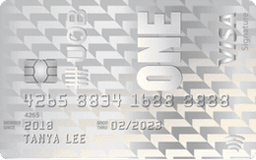
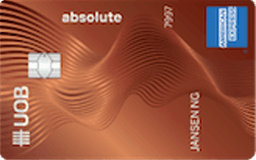
Ranked by projected annual cashback at your entered spend. Ties broken alphabetically by issuer. Cards marked “Affiliate link” or “Affiliate” earn SGfi a referral commission if you apply through these links — this does not influence the ranking.
Figures are estimates based on the spending you entered, assumed steady across the year, using standard Merchant Category Code (MCC) classifications and each issuer’s published rates. Monthly caps, annual fees and minimum-spend requirements are shown on every row and factored into the projections. Not modelled: promotional sign-up bonuses, merchant-specific exclusions, fee waivers beyond the first-year window shown, and future rate changes by issuers. First-year figures assume a new cardholder eligible for introductory rates; ongoing figures reflect post-introductory rates. Standard merchant coverage estimates are based on Singapore market share; you can adjust them in the settings above.
Actual earnings depend on your eligibility and each bank’s current terms, which may differ from the figures shown here — always verify with the issuer before applying.
About United Overseas Bank's cashback cards
UOB's cashback cards run from the flat-rate Absolute Card to the tiered One Card, which rewards consistent monthly spend across transport, Shopee, and everyday categories. This page filters the full SGfi cashback-card comparison to just UOB's lineup, with the same calculator-based ranking, identical published rates and caps, and the same projected-cashback formula applied across cards. Use the bank chips above to widen the comparison to other issuers.
SGfi tracks 2 UOB cashback cards in this comparison: UOB Absolute Cashback Card and UOB One Credit Card. Across the lineup, all carry an annual fee of S$196.20, base rates run from 0% to 1.7%, and top category bonuses reach 6.7% on eligible spend. Use the input sidebar to rank the cards by projected annual cashback at your monthly spend profile.
How cashback is calculated
Card rankings on this page are dynamically calculated using the latest 2026 cashback metrics, category spending caps, minimum income thresholds, and active annual fees sourced from official banking portals in Singapore. The system projects estimated monthly and yearly cashback returns by parsing your configurable monthly spend across common categories (e.g., dining, travel, local retail) against each card's unique matrix. Spending limits are factored into the calculation algorithm to provide realistic projections. These projections are for illustrative purposes only and do not constitute financial advice.
Card summary table
Flat reference of every cashback card included on this page. Tap a card name to open its full review.
All Singapore card rates & feesarrow_forward| Card | Issuer | Base rate | Top bonus | Annual fee | Min spend |
|---|---|---|---|---|---|
| UOB Absolute Cashback Card | UOB | 1.7% | — | S$196.20 | None |
| UOB One Credit Card | UOB | 0% | 6.7% | S$196.20 | None |
Frequently asked questions
Which UOB cashback credit cards does SGfi compare?
SGfi currently compares 2 United Overseas Bank cashback cards: UOB Absolute Cashback Card and UOB One Credit Card. Each is ranked by projected annual cashback at the monthly spend you enter on the calculator above.
Which UOB cashback card has the lowest annual fee?
The UOB Absolute Cashback Card has the lowest annual fee at S$196.20 per year among the UOB cashback cards SGfi tracks. Annual fees may be waived for the first year — check the row detail for each card.
Which UOB cashback card has the highest base rate?
The UOB Absolute Cashback Card has the highest base rate at 1.7%. Some other UOB cards may earn more on category bonuses — see the comparison summary table on this page for the full rate breakdown.
How do the UOB One Card quarterly tiers work?
UOB One requires a consistent monthly spend across all three months of a quarter (S$600, S$1,000, or S$2,000) — to unlock that tier's base cashback (paid quarterly). Specialist-category bonuses (Shopee, MRT/Bus, McDonald's, etc.) are paid monthly and stack on top.
How do monthly cashback caps work?
Most Singapore cashback cards limit how much cashback you can earn per month — either per category or in total. Once the cap is reached, additional spend in that category earns the base rate or no further cashback for the month.
What counts as eligible spend?
Banks typically exclude insurance premiums, education, government payments, charitable donations, and certain utility bills. Check each card's exclusion list before relying on the projected cashback.
What happens if I do not meet the minimum monthly spend?
Cards with a minimum spend requirement fall back to a lower rate (often around 0.2% to 0.3%) for the month if you do not hit the threshold. The calculator applies this fallback automatically.
How does the annual fee waiver work?
Some cards waive the annual fee from year two onwards if you spend above a certain annual amount.
Are these rates guaranteed?
No. Banks change cashback rates, caps, and eligible categories regularly. The numbers shown are projections based on rates verified at the date noted, not guarantees of future earnings.
Last verified: 1 Oct 2026